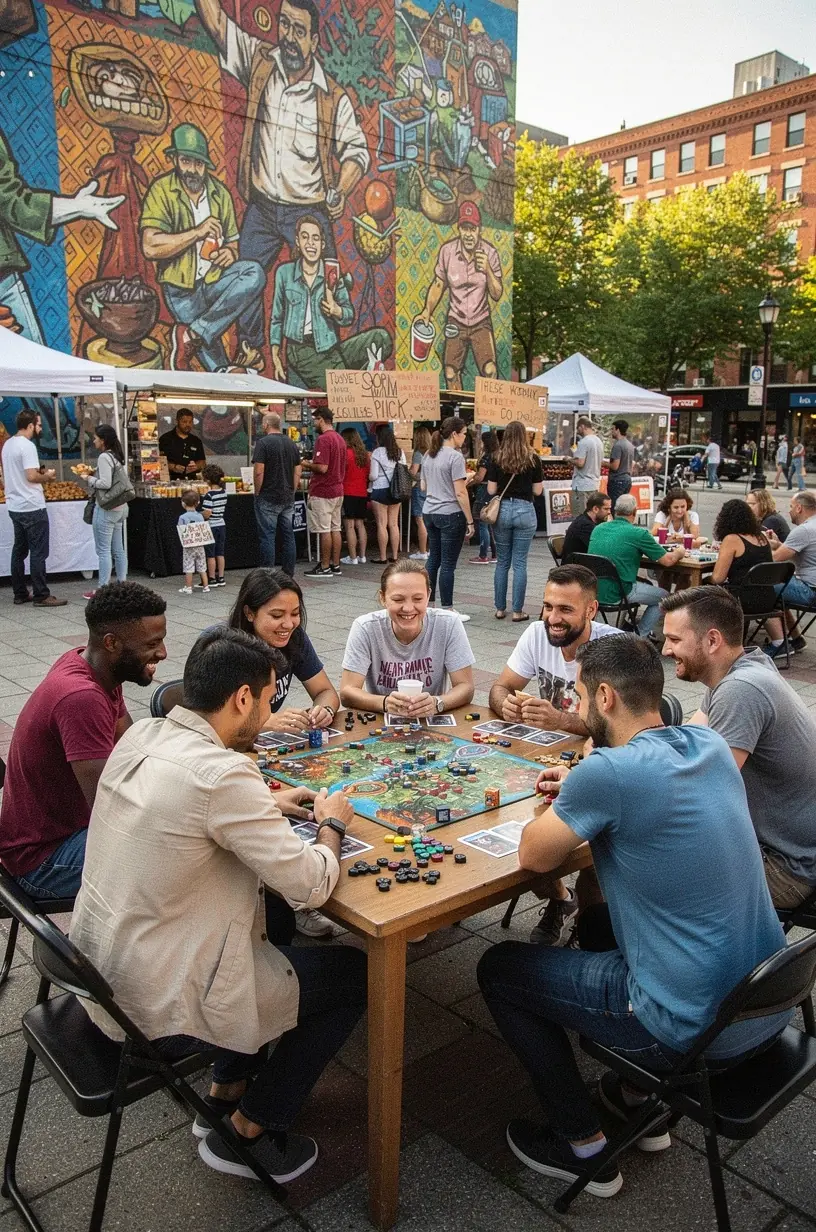
Engaging Youth in Neighborhood Social Activities
In a rapidly evolving world, fostering community engagement among youth is essential for their development and social skills. This article explores effective strategies to involve young people in neighborhood activities, supporting their emotional and social growth.
Understanding the Importance of Youth Engagement
Research indicates that engaging young people in social activities can significantly enhance their sense of belonging and community connection. Experts recommend that participation in local events helps youths develop critical social skills, such as teamwork and communication. Studies show that communities that actively involve their younger members tend to have lower rates of juvenile delinquency and higher overall satisfaction among residents.
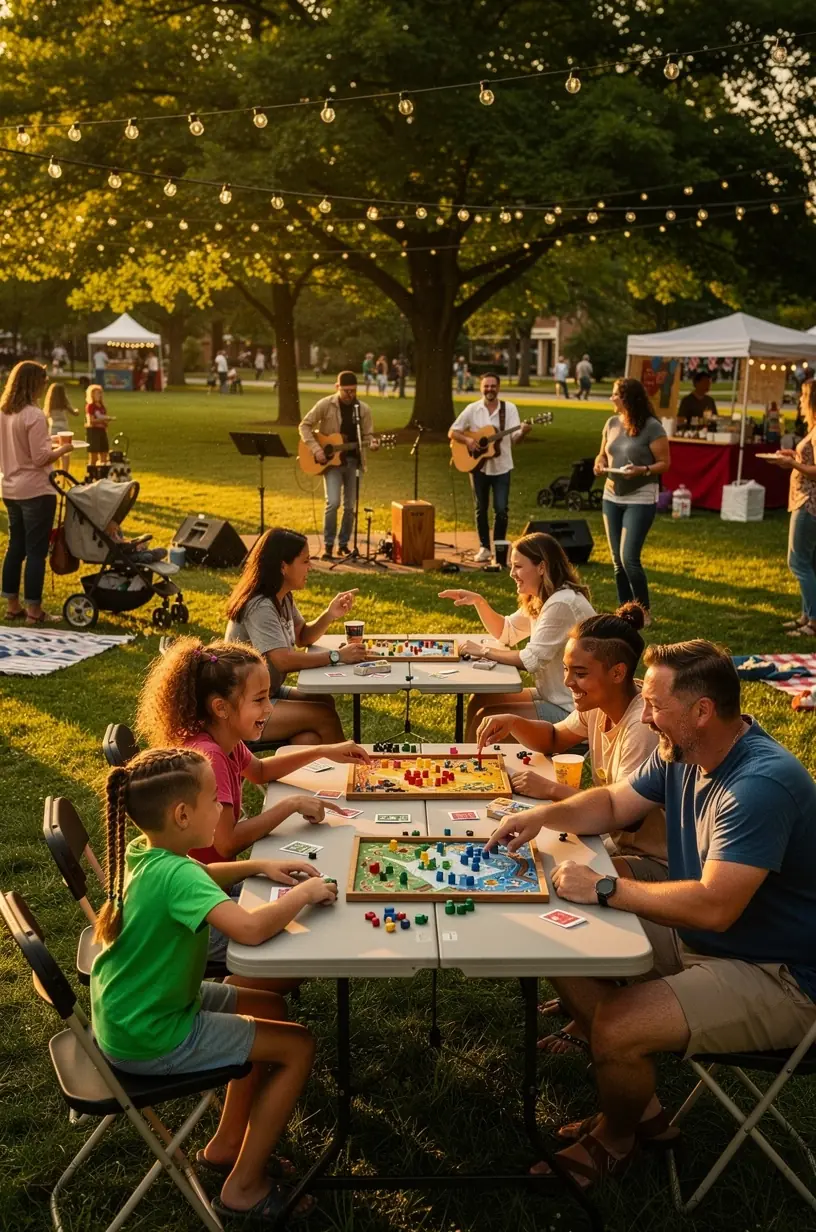
"Youth engagement is crucial for building resilient communities. When young people actively participate, they learn valuable life skills while contributing positively to their surroundings."
Strategies for Encouraging Participation
To effectively engage youth in neighborhood activities, consider the following strategies:
- Offer a Variety of Activities: Research suggests that providing diverse options, such as board games, social clubs, and live concerts, can attract a wider range of interests. Activities that allow for social interaction typically see higher participation rates.
- Incorporate Youth Input: Involving young people in the planning process can increase their investment in activities. Conduct surveys or focus groups to understand their preferences, which can help tailor events to their interests.
- Collaborate with Local Organizations: Partnering with schools, youth organizations, and local businesses can expand resources and reach. Experts recommend that leveraging existing community networks often results in more effective outreach and engagement.
Acknowledging Challenges
While the benefits of engaging youth in social activities are evident, it’s important to acknowledge potential challenges:
- Time Commitment: Organizing events can take significant planning and coordination, typically requiring several weeks to execute effectively.
- Effort to Sustain Interest: Maintaining ongoing participation often involves continuous feedback and adaptation. Activities may need to evolve based on youth interests and trends.
- Accessibility Issues: It’s essential to consider transportation and location when organizing events, as these factors can greatly influence youth attendance.
Best Practices and Industry Standards
Incorporating best practices from community engagement literature can enhance the effectiveness of your initiatives:
- Focus on Inclusivity: Ensure that activities cater to diverse groups, including different socio-economic backgrounds and interests. Creating a welcoming environment can make a significant difference in participation levels.
- Promote Events Effectively: Utilize social media platforms, community boards, and local schools to advertise events. Industry experts suggest that a coordinated effort across multiple channels often yields better outreach and engagement.
Conclusion
Engaging youth in neighborhood social activities is a vital step in fostering community development and nurturing future leaders. By implementing a thoughtful approach that considers the interests and needs of young people, communities can create vibrant, connected environments. While challenges exist, the strategies and best practices outlined can help organizations effectively navigate the complexities of youth engagement.
Learn More