Creating Inclusive Events for Diverse Neighborhoods
Organizing events that cater to diverse communities can enhance social cohesion and promote cultural understanding. This article explores practical strategies to create inclusive events that resonate with a variety of backgrounds.
Understanding the Importance of Inclusivity in Community Events
Inclusivity in community events is crucial for fostering a sense of belonging among residents. According to research from the National Endowment for the Arts, communities that engage in diverse cultural activities often report higher satisfaction levels. Events that consider the needs and interests of all community members can lead to increased participation and a sense of unity.

"Inclusive events not only enrich community life but also empower individuals by giving them a voice." - Community Development Expert
Strategies for Creating Inclusive Events
Creating inclusive events involves thoughtful planning and consideration of the diverse demographics within your neighborhood. Here are some effective strategies:
- Engage Community Input: Actively seek feedback from community members on their interests and preferences. Surveys or focus groups can provide valuable insights. Research shows that involving community members in the planning process increases attendance and satisfaction.
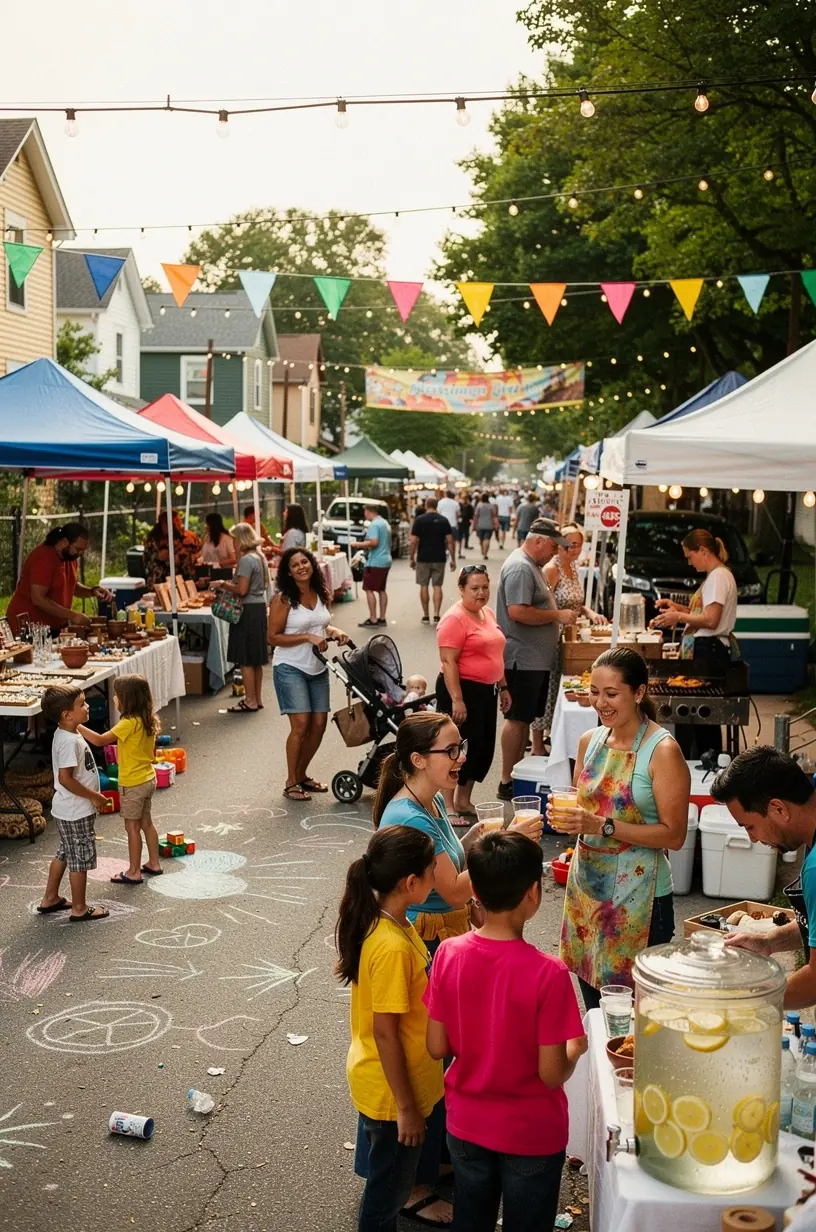
- Diverse Programming: Offer a variety of activities that appeal to different age groups, cultures, and interests. For instance, incorporating games, music, and art from various cultures can attract a wider audience. Studies indicate that diverse programming can increase participation rates by up to 30%.
- Accessibility Considerations: Ensure that venues are accessible to individuals with disabilities and consider offering materials in multiple languages. The Americans with Disabilities Act (ADA) provides guidelines that can help organizations meet accessibility standards.
Creating a Welcoming Atmosphere
Beyond the event planning itself, the environment plays a significant role in inclusivity. Here are ways to cultivate a welcoming atmosphere:
- Staff Training: Ensure that staff and volunteers are trained in cultural competency and inclusivity practices. Training can help them understand and address the needs of diverse participants.
- Inclusive Marketing: Use diverse imagery and language in promotional materials to reflect the community's diversity. Industry experts recommend focusing on representation to make all groups feel recognized and valued.
- Create Safe Spaces: Designate areas where individuals can meet and share experiences without judgment. This can encourage open dialogue and connection among diverse groups.
Challenges and Solutions
While creating inclusive events is vital, there can be challenges. Common hurdles include limited budgets and time constraints. Here are a few approaches to address these challenges:
- Form partnerships with local organizations to share resources and reduce costs.
- Utilize volunteer support by encouraging local residents to contribute their time and skills, fostering community involvement.
- Start small by implementing a few inclusive practices and gradually expanding based on feedback and success.
Conclusion
Creating inclusive events is an ongoing process that requires dedication and a willingness to adapt. By prioritizing community input, diverse programming, and a welcoming environment, organizers can foster a sense of belonging for all residents. Remember, the goal is to create a space where everyone feels valued and included, which ultimately enriches the neighborhood as a whole.
Learn More